

COLD WEATHER FIRE
Cold weather doesn’t necessarily cancel barbecue. But it does change the rules. These winter grilling tips show you how to keep heat, flavor, and patience alive when the air fights back.
You guys all doing ok? Most of us just came out of a winter storm that shut down half the country and reminded everyone how fragile the grid really is.
But you know what still always works? Fire.
Cold weather doesn’t necessarily cancel barbecue. But it does change the rules. If you’re still craving smoke and flame now that we’re out of the latest Ice Age, there’s a smarter way to grill when temps drop. These winter grilling tips show you how to keep heat, flavor, and patience alive when the air fights back.
Lucky for you, we took the time to break it all down…
1. Give Your Grill Time to Warm Up
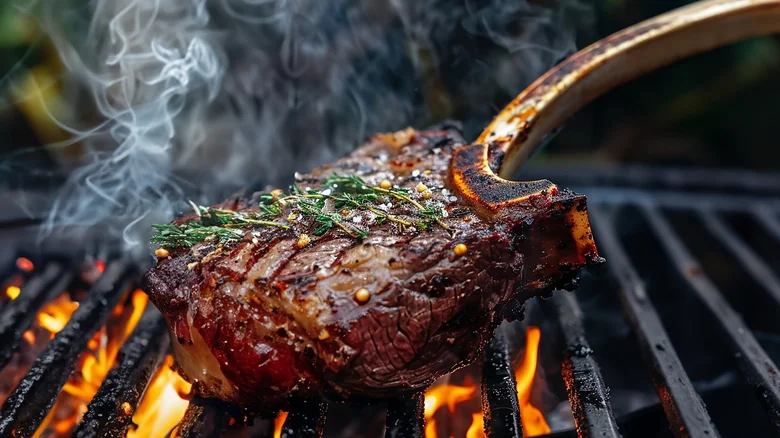
Winter air robs your grill of warmth. Preheat longer, expect slower temp ramps and stalls, and plan for more fuel so you’re not fighting the cold.
2. Choose Fire with Real Heat
Charcoal and wood fire generate more radiant heat than gas, and they keep you warmer while you work. If your winter cookout feels like an endurance test, put real fire under your food.
3. Trust a Real Thermometer
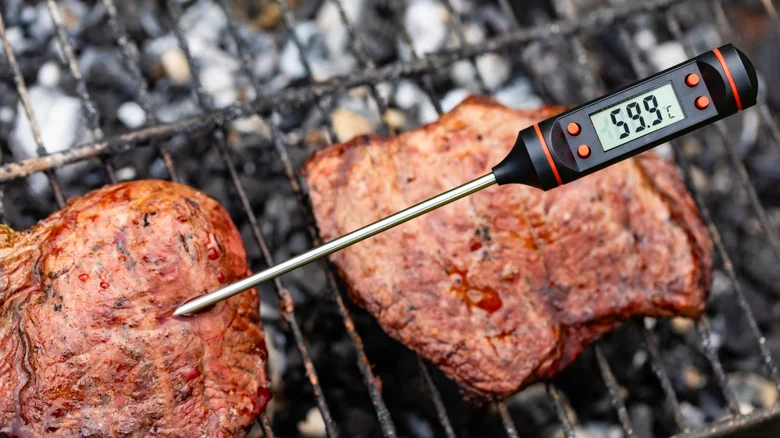
Don’t trust the built-in gauge when cold weather skews output. Use a reliable meat thermometer and let cuts come up toward room temp before they hit the grill. That helps everything cook more evenly despite the chill.
4. Try Sous Vide First
If you want smoke flavor without freezing mid-cook, you can always pre-cook tougher cuts sous vide, then finish over fire.
5. Use Big, Thick Cuts
Thicker, bigger cuts hold heat and temper better in cold conditions. They also reward patience with rich flavor instead of shallow sear marks and overdone edges.
6. Bring the Plate at the Right Time
Cold plates cool hot food fast. Wait until you’re ready to serve before you take dishes outside.
7. Keep the Lid Shut
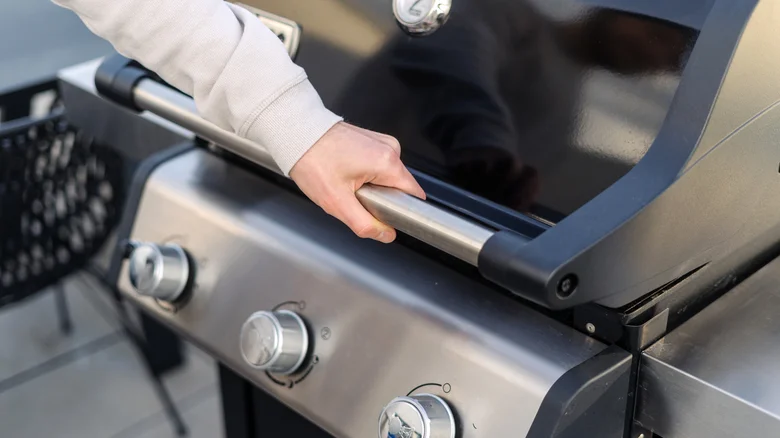
Every time you open the grill, you lose heat and add cook time. Only lift the lid when you absolutely have to.
Built for Cold
Grilling in winter is about knowing how cold changes heat, time, and technique, and then adjusting accordingly.
Oh, and in case you need some Winter recipe inspo, we’ve already got you covered.